
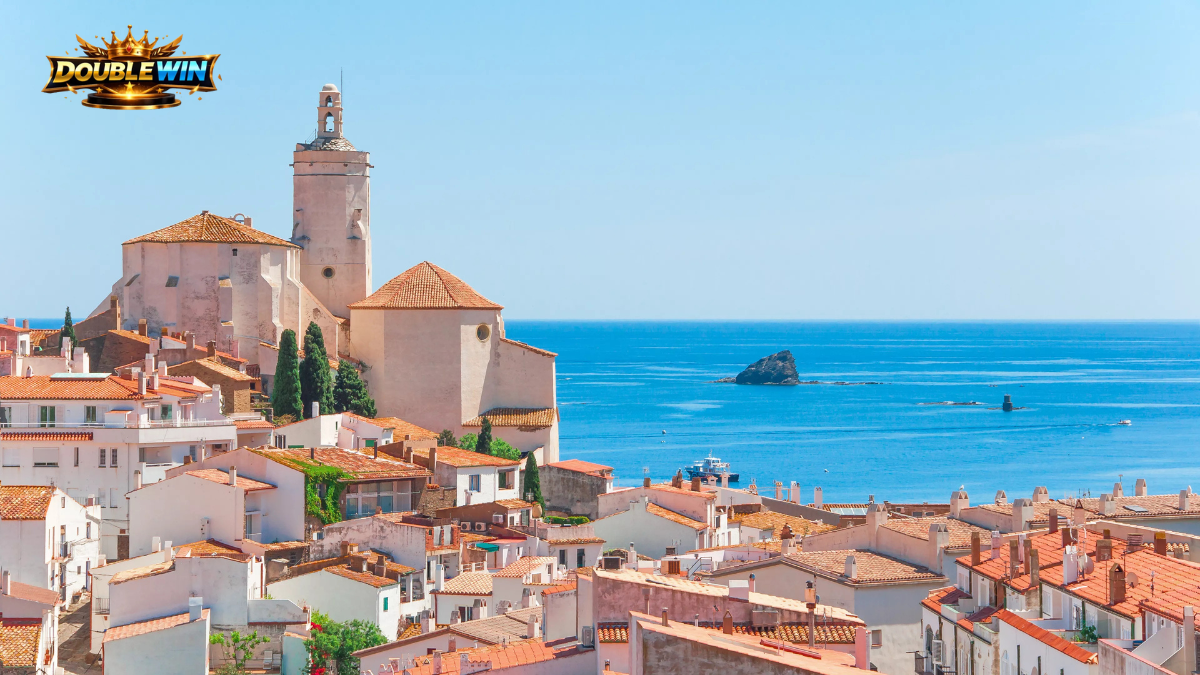
Introduction
Spain, located in the southwestern corner of Europe, is a country that has fascinated travelers, historians, and culture enthusiasts for centuries. With its diverse landscapes, rich traditions, and vibrant cities, Spain offers something for everyone. From the snow‑capped Pyrenees to the sunny beaches of the Mediterranean, the nation’s geography is as varied as its people.
Spain’s influence extends far beyond its borders. Historically, it was one of the most powerful empires in the world, shaping global trade, exploration, and culture. Today, Spain remains a hub for tourism, attracting millions of visitors annually who come to experience its art, cuisine, and festivals. This article explores Spain’s geography, history, culture, and modern lifestyle to provide a complete understanding of this remarkable country.
Geographic Overview of Spain
Spain occupies most of the Iberian Peninsula, sharing borders with Portugal, France, and Andorra, while its southern coast lies just across the Mediterranean from Morocco. Its geography is defined by contrasts: rugged mountains like the Pyrenees and Sierra Nevada, fertile plains such as La Mancha, and extensive coastlines along the Atlantic Ocean and Mediterranean Sea.
The climate varies significantly across regions. Northern Spain experiences cooler, wetter weather, while the south enjoys a Mediterranean climate with hot summers and mild winters. This diversity makes Spain ideal for agriculture, producing olives, grapes, and citrus fruits. The Canary and Balearic Islands add tropical and Mediterranean charm, attracting tourists year‑round.
Spain’s natural resources include minerals, fertile soils, and rich biodiversity. National parks such as Doñana and Picos de Europa showcase unique ecosystems, making Spain a destination for eco‑tourism and outdoor adventures.
Historical Background
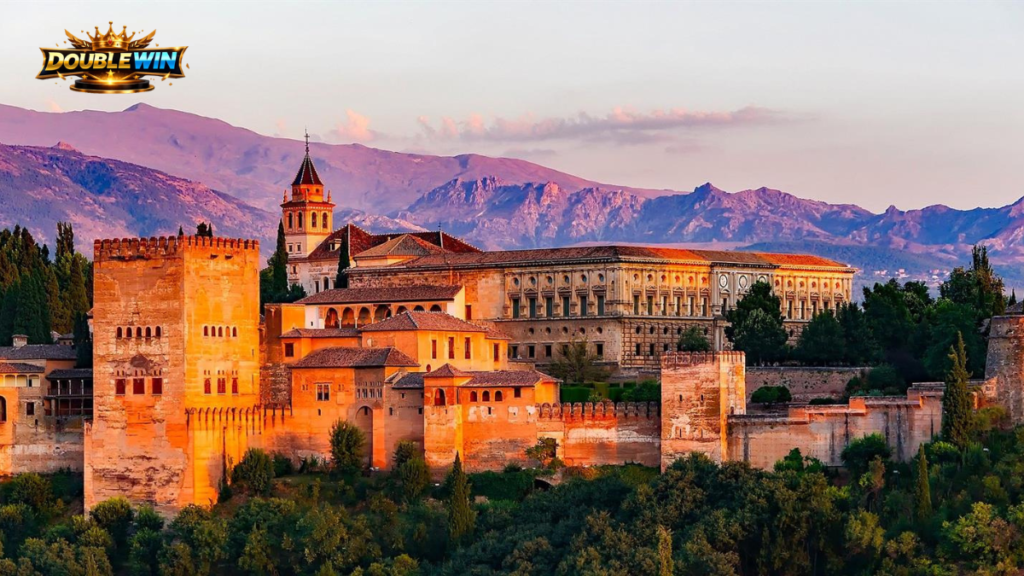
Spain’s history is a tapestry woven from multiple civilizations. The Iberians and Celts were among the earliest settlers, followed by Roman conquest, which left behind aqueducts, amphitheaters, and roads. Later, the Moors brought Islamic culture, architecture, and science, leaving a lasting legacy in cities like Granada and Córdoba.
The Reconquista, a centuries‑long struggle between Christian kingdoms and Muslim rulers, culminated in 1492 with the fall of Granada. That same year, Spain sponsored Christopher Columbus, launching the Age of Exploration. Spain’s empire stretched across the Americas, Asia, and Africa, making it one of the most influential powers in history.
The 20th century brought challenges, including the Spanish Civil War and decades of dictatorship under Francisco Franco. Spain transitioned to democracy in the late 1970s, joining the European Union and modernizing rapidly. Today, Spain balances its historical heritage with contemporary progress.
Cultural Heritage
Spain’s culture is a vibrant blend of traditions, languages, and artistic achievements. While Castilian Spanish is the official language, regions like Catalonia, Galicia, and the Basque Country proudly preserve their own languages and identities. This diversity enriches Spain’s cultural landscape.
Festivals are central to Spanish life. La Tomatina in Buñol, the Running of the Bulls in Pamplona, and Semana Santa processions showcase the country’s passion for celebration. Flamenco, with its soulful music and dance, embodies Spanish spirit, while bullfighting remains a controversial yet historic tradition.
Spanish cuisine is world‑renowned. Tapas, paella, churros, and jamón ibérico highlight regional flavors. Wine regions like Rioja and Ribera del Duero produce internationally acclaimed vintages. Food is not just sustenance in Spain—it is a social experience, often enjoyed with family and friends.
Art and architecture flourish in Spain. Antoni Gaudí’s Sagrada Familia in Barcelona, Picasso’s revolutionary paintings, and Dalí’s surrealist works reflect Spain’s creative genius. UNESCO World Heritage Sites, from the Alhambra to the historic center of Toledo, preserve Spain’s cultural treasures.
Travel and Tourism
Spain is one of the world’s top tourist destinations, offering a mix of history, culture, and leisure. Madrid, the capital, boasts the Prado Museum and Royal Palace. Barcelona enchants visitors with Gaudí’s architecture and lively beaches. Seville and Granada highlight Andalusian charm, while Valencia blends modern innovation with historic beauty.
Landmarks such as the Alhambra, Sagrada Familia, and Santiago de Compostela Cathedral attract millions of visitors annually. Spain’s coastal regions, including Costa del Sol and Costa Brava, are famous for their beaches, while the Canary and Balearic Islands offer tropical escapes.
Transportation is efficient, with high‑speed trains connecting major cities, extensive bus networks, and international airports. Road trips across Spain reveal hidden villages, vineyards, and scenic landscapes. Tourism contributes significantly to Spain’s economy, making it a vital industry.
Modern Spain
Today, Spain is a dynamic nation balancing tradition with modernity. Its economy thrives on tourism, agriculture, manufacturing, and technology. Spain is a key member of the European Union, influencing policies and trade across the continent.
Sports are integral to Spanish identity. Football dominates, with La Liga featuring iconic clubs like Real Madrid and FC Barcelona. Spain has also excelled in basketball, tennis, and cycling, producing world‑class athletes.
Urban development has transformed cities into modern hubs while preserving historic centers. Spain’s lifestyle emphasizes family, community, and leisure, with a strong focus on enjoying life through food, festivals, and social gatherings.
Conclusion
Spain is a country of contrasts—ancient yet modern, traditional yet innovative. Its geography, history, and culture make it one of the most fascinating nations in the world. From Roman ruins to futuristic architecture, from flamenco rhythms to football stadiums, Spain offers endless experiences.
As a global hub for tourism and heritage, Spain continues to inspire travelers and scholars alike. Its enduring influence ensures that Spain remains not just a destination, but a cultural powerhouse shaping the modern world.
FAQs
What is the capital of Spain?
The capital of Spain is Madrid, which is also the largest city and the country’s political, cultural, and economic hub.
How many regions does Spain have?
Spain is divided into 17 autonomous communities and 2 autonomous cities, each with its own government and cultural identity.
Which languages are spoken in Spain?
The official language is Spanish (Castilian), but regional languages like Catalan, Basque, and Galician are also widely spoken.
What is Spain famous for?
Spain is famous for flamenco music and dance, bullfighting, football (soccer), Mediterranean beaches, and historic landmarks like the Alhambra and Sagrada Familia.
What currency is used in Spain?
Spain uses the Euro (€) as its official currency.
Is Spain part of the European Union?
Yes, Spain has been a member of the European Union since 1986.
What are the most popular tourist destinations in Spain?
Madrid, Barcelona, Seville, Valencia, Granada, and the Canary Islands are among the top destinations.
What is the climate like in Spain?
Spain has diverse climates: Mediterranean along the coast, oceanic in the north, and continental in the interior regions.
What is Spain’s national dish?
Paella, a rice dish originally from Valencia, is considered Spain’s national dish.
Does Spain have UNESCO World Heritage Sites?
Yes, Spain has over 40 UNESCO World Heritage Sites, including the historic center of Toledo, the works of Antoni Gaudí in Barcelona, and the Camino de Santiago.
Next Read: Doublewin